
Plant Care Guides › ZZ Plant Care
The ZZ plant (Zamioculcas zamiifolia) is an aroid and the only species in its genus (New York Botanical Garden). It comes from eastern Africa, from Kenya south to KwaZulu-Natal, where it grows in a seasonally dry climate (Royal Botanic Gardens, Kew), and it stores water in thick underground rhizomes (University of Illinois Extension). It tolerates low light, prolonged dry periods and neglect (Iowa State University Extension). Indoors, the New York Botanical Garden notes that most ZZ problems come from soil that stays too wet. This guide covers light, water, soil, temperature, feeding and the most common problems. Where sources disagree, we show both views. The ZZ plant is toxic if eaten; see pets and people.
ZZ plant care at a glance
- Light: bright, indirect light for best growth; tolerates low light; avoid direct sun, especially in the afternoon
- Water: let the mix dry between waterings, then water and empty the saucer; sources give different intervals, so check the mix rather than the calendar
- Soil and pot: a well-drained mix in a pot with a drainage hole
- Temperature: warm rooms; sources give lower limits from 45 to 60°F
- Humidity: regular indoor humidity is fine; misting isn’t needed
- Feeding: little; sources range from once or twice a year to a dilute feed once or twice a month in spring and summer
- Most common problem: soil that stays too wet, which can rot the rhizomes
- Pets and people: toxic if eaten (calcium oxalate); keep it away from pets and small children
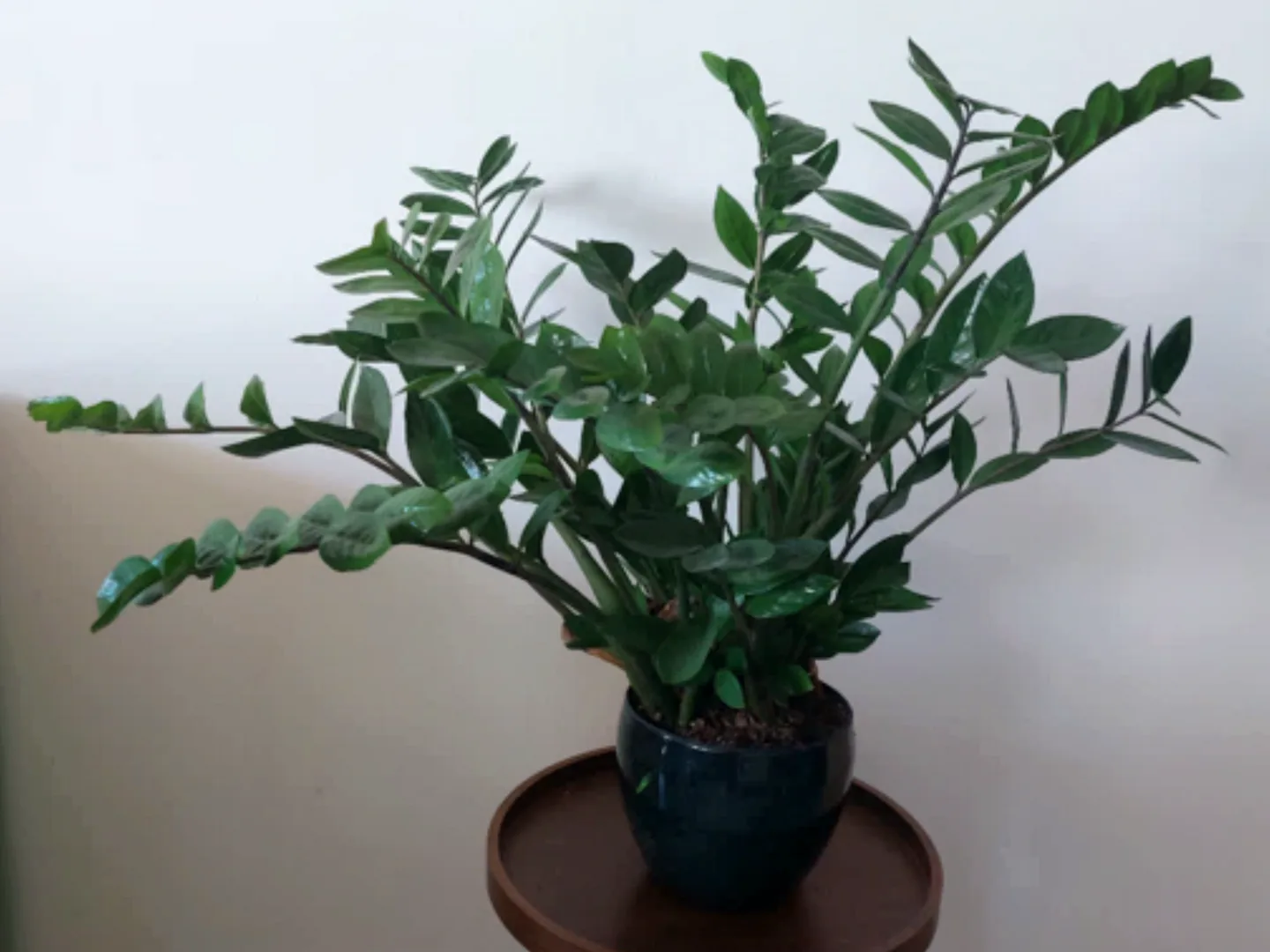
Photo: Mx Lucy, CC BY-SA 4.0, via Wikimedia Commons (cropped and resized)
How a ZZ plant grows
A ZZ plant has no stem above the soil: what look like stems are the stalks of its leaves, which rise directly from the rhizome (University of Florida IFAS Extension). Each stalk with its leaflets is one compound leaf; Missouri Botanical Garden counts 6 to 8 pairs of glossy leaflets per leaf, and the base of each leaf is slightly swollen (Iowa State University Extension). Black spots on the stalks are normal (Clemson Extension).
ZZ plants grow slowly and, as Iowa State University Extension puts it, in spurts. NC State Extension gives an eventual size of 2 to 4 feet tall and wide. They rarely flower (NC State Extension; Clemson Extension) and won’t bloom in low light (University of Florida IFAS Extension). In a study by Holtum and colleagues (2007), ZZ plants used a weak form of a water-saving type of photosynthesis (CAM), which increased when they were kept dry and returned to its earlier level after watering.
Cultivars: the dark-leaved ‘Raven’ has new leaves that emerge green and mature to almost black (Clemson Extension; Missouri Botanical Garden). On ‘Chameleon’, new leaves emerge yellow and turn dark green (Clemson Extension; NC State Extension). ‘Zenzi’ is a dwarf: 10 to 12 inches according to Clemson Extension, no more than 15 inches according to UF/IFAS Extension in Charlotte County. Variegated forms with cream or white markings are also sold (Clemson Extension).
Light
Sources agree that a ZZ plant tolerates low light but grows best in bright, indirect light (Iowa State University Extension; NC State Extension; Clemson Extension; University of Illinois Extension). UConn Extension notes that growth is much slower in the lower light of many homes, and that a ZZ can even suit a windowless office with fluorescent light for several hours a day. In a commercial grower guide, University of Florida researchers report plants that kept producing new leaves for more than a year at a low interior light level of 25 foot-candles.
Low light has limits, though. The New York Botanical Garden notes that ZZ plants can survive very poor light but will eventually deteriorate without moderate sunlight and may suddenly collapse after years of enduring it.
Avoid direct sun. Clemson Extension says to place a ZZ anywhere except in full sun, and Iowa State University Extension that direct afternoon sun may damage the foliage; UConn Extension allows perhaps an east window in winter. In direct sun, leaves can scald (turn whitish), curl, or turn patchy brown (UConn Extension; New York Botanical Garden; NC State Extension).
Watering
The thick rhizomes store water, which is what lets the plant ride out dry spells (UF/IFAS Extension, Charlotte County; UConn Extension). The flip side is that the New York Botanical Garden calls not overwatering the most important care requirement, and Oklahoma State University Extension notes that the rhizome is prone to rotting if overwatered.
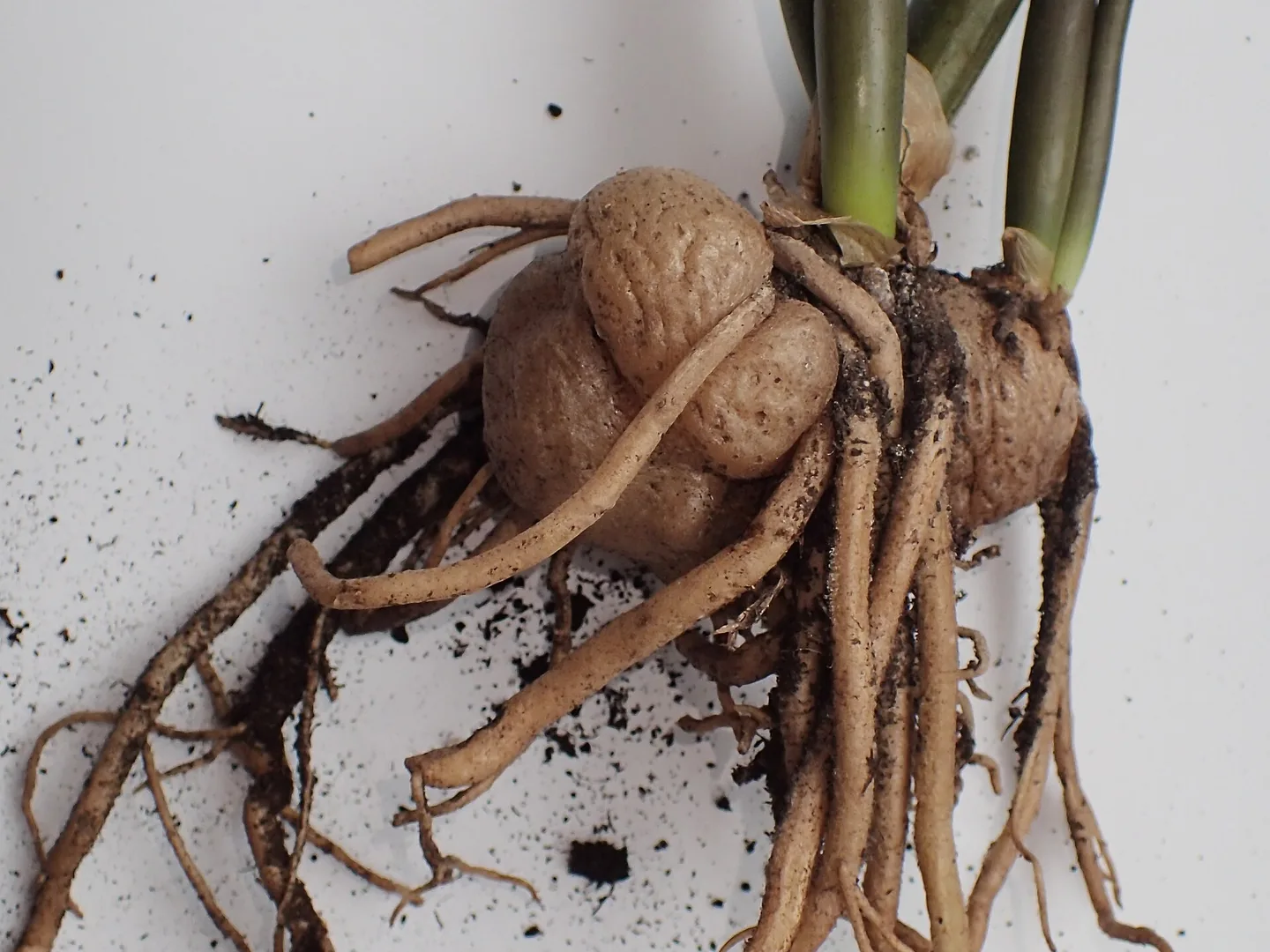
Photo: Krzysztof Ziarnek, Kenraiz, CC BY-SA 4.0, via Wikimedia Commons (cropped and resized)
- Let the mix dry first. Sources differ on how dry: completely (New York Botanical Garden; Clemson Extension), slightly (UConn Extension), or “nicely” (Iowa State University Extension). UConn Extension’s rule: when in doubt, err on the dry side.
- Then water and drain. Iowa State University Extension advises watering thoroughly, so that some water flows out of the bottom, and discarding the excess; the New York Botanical Garden suggests checking after 15 minutes and removing any water left in the dish. Don’t let a ZZ sit in water (University of Florida IFAS Extension).
- How often: Iowa State University Extension says a thorough watering every 7 to 14 days is usually fine in most cases; other sources give every week or two (UF/IFAS Gardening Solutions), once or twice a month (Clemson Extension), or twice a month in summer (NC State Extension). University of Maryland Extension notes that watering on a schedule can give plants too much or too little, and Clemson Extension that a plant in a warm, sunny spot needs water more often than one in a cool, dim spot, so check the mix before you water.
- Winter: water less, about once a month (New York Botanical Garden; NC State Extension; University of Illinois Extension), or once or twice a month (Chicago Botanic Garden).
Drought: University of Florida IFAS Extension calls the ZZ very drought tolerant, although leaf drop may occur, and its commercial grower guide reports plants surviving 3 to 4 months without water. Surviving isn’t thriving: UF/IFAS Gardening Solutions notes that the plant performs better with moderate watering.
Soil, pots and repotting
Use any well-drained peat- or bark-based potting mix (University of Florida IFAS Extension). Clemson Extension suggests a coarse mix of 50% peat- or coir-based potting soil, 25% perlite and 25% sand, and NC State Extension and University of Illinois Extension note that a ZZ can be treated much like a cactus or succulent. The pot needs a drainage hole: the New York Botanical Garden lists a container without one among the causes of rhizome rot. Clemson Extension advises against a layer of rocks or clay pieces in the bottom, which slows drainage.
Pot size: a ZZ survives being pot-bound but grows more slowly, and a pot that is too large can keep the soil too wet (Fairfax County Master Gardeners). As the plant grows, a heavier clay or ceramic pot keeps it from toppling over (Fairfax County Master Gardeners), and UConn Extension notes that the strong stems of a plant left too long in its pot can crack the sides.
When to repot: no ZZ source gives a schedule. For houseplants in general, Clemson Extension suggests repotting slow growers every two to three years, in spring or summer, into a pot 1 or 2 inches wider.
Temperature and humidity
ZZ plants like warm rooms, but sources give different ranges: 65 to 90°F (University of Florida IFAS Extension), 70 to 85°F (New York Botanical Garden) or 55 to 80°F (UConn Extension). For the low end, Clemson Extension says to keep them above 60°F, University of Florida IFAS Extension that growth slows and injury may occur below 50°F, and Fairfax County Master Gardeners to avoid temperatures under 45°F. Keep the plant away from air conditioning and heat vents (New York Botanical Garden). If you move it outdoors for summer, bring it in once temperatures fall below 60°F (NC State Extension; Missouri Botanical Garden).
Humidity: ZZ plants do well with regular indoor humidity (Clemson Extension) and tolerate low humidity (Iowa State University Extension); the New York Botanical Garden notes that misting isn’t necessary.
Feeding
A ZZ needs little fertilizer, but sources disagree on how often. University of Florida IFAS Extension suggests a low-dose liquid fertilizer twice a year, NC State Extension a balanced liquid houseplant fertilizer once or twice a year, and Clemson Extension once or twice in the growing season, and the New York Botanical Garden twice; UConn Extension suggests half strength. Iowa State University Extension and University of Illinois Extension instead suggest a dilute or light feed once or twice a month in spring and summer. Either way, follow the product label.
For houseplants in general, Clemson Extension notes that plants in low light need less fertilizer, and University of Maryland Extension that excessive or frequent fertilizing causes high soluble salt levels in the soil.
Cleaning and pruning
Wipe dust off the leaves now and then with a damp cloth (Chicago Botanic Garden; Fairfax County Master Gardeners). ZZ leaves are naturally glossy, so no polish is needed (University of Florida IFAS Extension, commercial grower guide); Clemson Extension notes that leaf-shine products are generally not recommended for houseplants. Stems that flop over can be removed (Fairfax County Master Gardeners).
Propagation
Division is the most common and fastest way to get more ZZ plants; leaf cuttings take longer but can make many more (University of Illinois Extension). Be patient with cuttings: UConn Extension notes that a new rhizome can take up to 9 months to form indoors, and University of Illinois Extension that it takes a year or more to start a new plant from a cutting.
Common problems
Most problems with ZZ plants come from soil that stays too wet (New York Botanical Garden), so check the mix, the drainage and the rhizomes first. A visible sign is a clue, not a diagnosis: the same symptom can have more than one cause.
Drooping, leaning or falling-over stems
Several causes are possible. Too much light can make the stems bend away from it (UConn Extension), and a large plant can simply topple in a light plastic pot (Fairfax County Master Gardeners). Wilting in general can come from too little or too much water (Iowa State University Extension), and with root rot, leaves and stems wilt noticeably (Clemson Extension). After years in very poor light, a ZZ may suddenly collapse (New York Botanical Garden). No ZZ source ties drooping to one cause, so check the mix, the light and the rhizomes before you change anything.
Leaves curling
In ZZ-specific sources, curling leaves are linked to too much direct light, often with scalding (UConn Extension; New York Botanical Garden; Fairfax County Master Gardeners). For houseplants in general, leaves also curl when the roots can’t supply enough water (University of Maryland Extension).
Root and rhizome rot
Overwatering, water left in the dish, or a pot without a drainage hole can all contribute to rhizome rot and plant death (New York Botanical Garden). UConn Extension lists yellow leaves and rotting rhizomes as signs of overwatering. To check, slide the plant out of its pot. For houseplants in general, rotting roots are brown to black and soft or mushy (University of Maryland Extension); root color varies, so firmness tells you more than color. If only a few roots are infected, Clemson Extension suggests cutting them out and repotting in sterile soil. That trimming advice is for roots: the sources we reviewed don’t describe how to treat a rotting ZZ rhizome, and trimming roots is not a proven fix for one. Firm, intact rhizomes are a better sign than soft ones. For badly rotted plants, University of Maryland Extension advises throwing away severely infected plants, and Clemson Extension notes that if most roots are dark, soft and dead, it is better to discard the plant.
A dying ZZ plant
Overwatering is the most common reason: UConn Extension calls it just about the only factor that kills this tough houseplant, and Clemson Extension notes that overwatering is the main cause of death of potted plants. The sources also name long-term poor light (New York Botanical Garden) and cold: University of Florida IFAS Extension notes that injury may occur below 50°F. Check the rhizomes and the mix first.
Brown spots or patches
Patchy brown, bleached or scalded leaves can occur if the plant gets direct sun (New York Botanical Garden; NC State Extension); UConn Extension notes that leaves exposed to too much light may yellow and then turn brown. Black spots on the stalks are normal (Clemson Extension). Leaf diseases aren’t listed as a common problem: Clemson Extension reports no serious insect or disease problems on ZZ plants, and University of Florida IFAS Extension says no diseases or pests are an issue for this plant.
Brown tips
Fairfax County Master Gardeners note that ZZ leaf tips may turn brown if the air is too dry, and that fluoride in tap water doesn’t affect the plant. For houseplants in general, Iowa State University Extension names low humidity as the most likely cause of brown tips, and also lists excess fertilizer salts and inconsistent watering, especially letting plants dry out too long between waterings. Other ZZ sources say regular indoor humidity is fine (Clemson Extension), so check your watering and fertilizer use too.
Yellow leaves
UConn Extension and Fairfax County Master Gardeners link yellow leaves to soil that is too wet, and UConn Extension also to too much light. On ‘Chameleon’, new leaves start out yellow (Clemson Extension). For each cause and its fix, see why ZZ plant leaves turn yellow.
Leaflets dropping
In drought, leaflets and the upper part of the leaf stalk can fall off, leaving the swollen base (University of Florida IFAS Extension, describing plants in Florida landscapes); leaves can also yellow and fall if the plant is too wet (Fairfax County Master Gardeners). Feel the mix to tell which.
Pests
ZZ plants have few insect problems (Iowa State University Extension; UConn Extension; Missouri Botanical Garden), but NC State Extension advises watching for scale insects, and University of Illinois Extension lists aphids, mealybugs, thrips and whiteflies to check for. Fairfax County Master Gardeners note that brown scale can be removed with a cotton swab dipped in rubbing alcohol.
Is a ZZ plant safe for pets and people?
No. The ZZ plant contains calcium oxalate, and NC State Extension gives it medium toxicity for cats and dogs. The ASPCA’s plant database has no ZZ entry (checked November 2026), but a 2025 ASPCA article lists the ZZ plant among plants with insoluble calcium oxalate crystals, which can cause drooling, vomiting and diarrhea in pets; it calls the severity low, and notes that large exposures can rarely cause swelling in the throat and trouble breathing. For people, University of Florida IFAS Extension notes that chewing the plant can cause immediate pain or burning in the lips, mouth, tongue or throat, sometimes with vomiting or diarrhea. A case report describes two young children who bit ZZ leaves: one had burning mouth pain, swollen lips and tongue and drooling, the other increased saliva and slight redness in the mouth, and both were discharged within 24 hours (Gamage, 2020).
On skin contact, sources disagree: NC State Extension lists no contact dermatitis, while a UF/IFAS Santa Rosa County plant sheet says the plant can irritate skin. Washing your hands after repotting or taking cuttings is a simple precaution. Keep the plant where small children and pets can’t sample it (UConn Extension). As University of Florida IFAS Extension points out, a plant being toxic if eaten doesn’t mean you shouldn’t own one.
- Pets: if you think your pet has eaten part of the plant, call your veterinarian or the ASPCA Animal Poison Control Center at (888) 426-4435; if your pet has trouble swallowing or breathing, go straight to a veterinary hospital (ASPCA).
- People: call 911 immediately if the person drools excessively, has severe mouth swelling, or has trouble swallowing or breathing (National Capital Poison Center, on similar oxalate plants), or collapses, has a seizure or can’t be awakened (National Capital Poison Center, first aid guidelines). Otherwise, rinse the mouth with water and spit to remove any plant pieces, immediately wash skin that touched the sap with soap and water for 15 minutes, and immediately rinse exposed eyes with water for at least 15 minutes (National Capital Poison Center, on similar oxalate plants). Then call Poison Control at 1-800-222-1222.
Frequently asked questions
How often should I water a ZZ plant?
When the mix has dried, not on a fixed day. Sources give from every week or two (UF/IFAS Gardening Solutions; Iowa State University Extension, which says every 7 to 14 days is usually fine in most cases) to once or twice a month (Clemson Extension), and about once a month in winter (New York Botanical Garden; NC State Extension). In a cool, dim room it will need water less often.
Can a ZZ plant live without a window?
It can for a while: UConn Extension notes it can suit a windowless office with fluorescent light for several hours a day. But growth will be slow, and the New York Botanical Garden warns that ZZ plants eventually deteriorate without moderate sunlight.
Why is my ZZ plant falling over?
Start with the mix: if it stays wet or the stems are soft, check the rhizomes for rot (see root and rhizome rot). Otherwise, stems can bend away from strong light (UConn Extension), and a large plant can topple in a light plastic pot (Fairfax County Master Gardeners).
Does a ZZ plant flower?
Rarely (NC State Extension; Clemson Extension). The flower is a spadix inside a green, sheath-like spathe (NC State Extension), and the New York Botanical Garden notes that flowers may appear near the base of older plants. University of Florida IFAS Extension notes that a ZZ won’t bloom in low light.
Sources
- Royal Botanic Gardens, Kew, Plants of the World Online: Zamioculcas zamiifolia.
- New York Botanical Garden, Mertz Library: ZZ Plant (Zamioculcas zamiifolia): Houseplant Care (updated 2026).
- Clemson Cooperative Extension Home & Garden Information Center: ZZ Plant (HGIC 1570, 2026), Indoor Plants: Watering, Indoor Plants: Transplanting & Repotting, Indoor Plants: Cleaning, Fertilizing, Containers & Light Requirements and Houseplant Diseases & Disorders.
- NC State Extension Plant Toolbox: Zamioculcas zamiifolia.
- University of Florida IFAS Extension: Florida Foliage House Plant Care: ZZ Plant (ENH1219), Cultural Guidelines for Commercial Production of Interiorscape ZZ (ENH997, a commercial grower guide), Common Poisonous Houseplant Species in Florida (ENH1375, 2023), Gardening Solutions: ZZ Plant, Charlotte County: Easy ZZ (2026) and Santa Rosa County: ZZ Plant (plant sheet, 2025).
- Iowa State University Extension and Outreach: I recently purchased a ZZ plant. How do I care for it?, Easy Low-Maintenance Houseplants, Why is my houseplant wilting? and Why does my houseplant have brown leaf tips and edges?
- University of Illinois Extension: Houseplant spotlight: the ZZ plant (2026) and ZZ Plant is a Tropical that Thrives Indoors (2020).
- UConn Home & Garden Education Center: ZZ Plant (2019).
- Oklahoma State University Extension: ZZ Plant.
- University of Maryland Extension: Watering Indoor Plants, Drought Stress to Indoor Plants, Root Rots of Indoor Plants and Fertilizer Toxicity or High Soluble Salts.
- Fairfax County Master Gardeners (Virginia Cooperative Extension): ZZ Plant: It Really Isn’t Artificial (2022).
- Missouri Botanical Garden Plant Finder: Zamioculcas zamiifolia and ‘Raven’; Chicago Botanic Garden: Indoor Plants for Low-Light Spaces.
- ASPCA: These Houseplants Can Cause Trouble for Your Pets (2025).
- National Capital Poison Center: First aid guidelines and Dieffenbachia and Philodendron.
- Research: Holtum and colleagues (2007), American Journal of Botany 94(10):1670–1676 (abstract); Gamage (2020), Sri Lanka Journal of Child Health 49(2):195–196 (case report).


